Can I get SASSA while working?
Many applicants face a difficult decision when an opportunity for short-term or informal work appears.
This may include temporary employment, a few days of paid work, casual services, or small personal business activities. While this type of income can help cover daily expenses, it often raises concerns about how it may affect SRD eligibility.
A common belief is that receiving any money at all will automatically result in a “Declined” status. This belief causes many applicants to avoid legitimate work opportunities out of fear of losing their support. In reality, the SRD system does not automatically penalize applicants for earning income. Instead, it evaluates income against a defined financial threshold using a structured verification process.
Understanding how this process works is essential for making informed decisions.
How the SRD Income Assessment Works
The SRD grant uses a means test, which is a method of determining whether an applicant qualifies based on their total monthly income. The system does not assess intention, effort, or employment type. It strictly measures financial inflows recorded during a specific period.
Under current regulations, the income threshold is R624 per month. If an applicant’s total income for the month remains below or equal to this amount, the application may still qualify. If the total exceeds this limit, the system may automatically mark the application as ineligible for that month.
The assessment is done through automated checks linked to banking and financial databases. Because this process is automated, even small discrepancies can trigger a decline.
What the System Considers as Income
The system defines income broadly. It does not only look at formal salaries. Any money received into a bank account during the assessment period may be counted, including:
- Wages or payments from work, whether formal or informal
- Short-term or temporary earnings, including part-time or casual jobs
- Money sent by family or friends, even if intended as support
- UIF payments, including remaining or delayed disbursements from previous employment
- Once-off transfers or deposits, regardless of the source
The system does not evaluate why the money was received. It only evaluates the total amount deposited. This means that even assistance intended for basic needs may still affect the outcome if it causes the total to exceed the threshold.
Managing Income Carefully
Applicants who earn occasional income can reduce the risk of problems by managing their financial activity carefully and consistently.
1. Monitor Monthly Deposits Closely
It is important to review your bank statement before the end of each month. Add together every deposit received during that period. The final total is what the system evaluates. Even a small amount above the threshold can result in an automatic decline.
2. Consider Using a Dedicated Bank Account
Using one account exclusively for the grant can help reduce confusion during verification checks. When multiple unrelated deposits appear from different sources, the system may interpret this as evidence of alternative income streams. Separating accounts, where possible, can make reviews clearer and faster.
3. Understand When to Update Employment Information
If you secure permanent or full-time employment, this information should be updated through the appropriate channels. For informal or irregular work, the income threshold remains the primary factor. Failure to report long-term employment may result in future complications during reviews.
4. Verify UIF Records Regularly
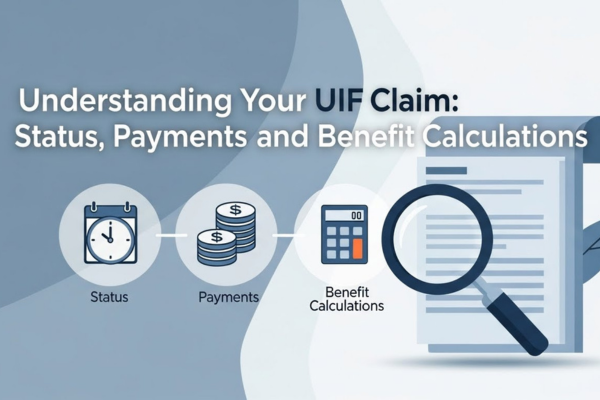
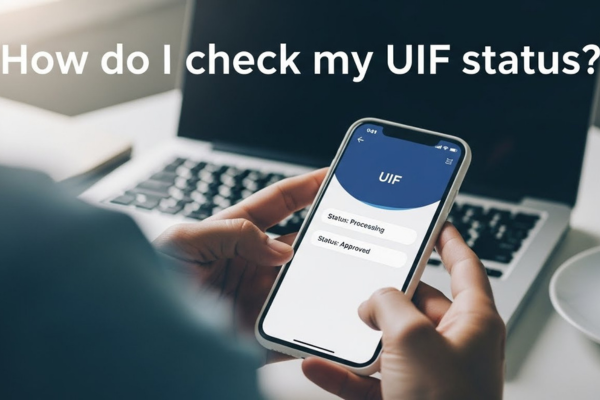
One of the most common reasons for repeated declines is outdated UIF information. In some cases, previous employers do not update records correctly, causing the system to assume ongoing income. Applicants should independently verify their UIF status and request corrections where necessary.
What to Do if Your Application Is Declined
A “Declined” status can be discouraging, but it is not always final. Many declines are the result of automated checks rather than a full manual assessment.
If the decline reason relates to alternative income or UIF conflict, applicants who believe they meet the criteria have the right to submit an appeal. The appeal process allows for a manual review of the application.
Supporting documents, such as bank statements, can help demonstrate that income remained below the required threshold. Many applicants successfully resolve issues through this process, particularly when declines are caused by outdated or incorrect data.
Why Understanding the System Matters
Applicants who understand how income is assessed are better equipped to avoid delays, reduce errors, and respond effectively when issues arise. The SRD system operates on data, thresholds, and verification rules. Knowing how these elements interact allows applicants to plan ahead rather than react after a decline.
Making informed decisions about work, income, and financial management can help maintain eligibility while still allowing applicants to pursue opportunities that improve their situation.