What happens if I miss my SASSA payment date?
Missing an assigned collection date does not mean that your payment is immediately lost.
In most cases, the funds remain available within the system. However, once a collection date is missed, the payment enters a period where delays and additional conditions may apply. Understanding how this process works is important to ensure that the funds are collected in time.
Below is an explanation of what happens after a missed collection date and what steps can be taken to recover the payment.
1. Payment Rollover Within the System
The payment system includes a rollover mechanism. If a beneficiary does not collect funds on the assigned day, the payment is not cancelled immediately. Instead, the funds remain reserved under the beneficiary’s details.
Collection schedules are typically organized by ID number or payment group. If you miss your assigned date, you cannot automatically collect on the next scheduled group’s day. Access to the funds depends on when the system allows collections outside the strict ID-based schedule.
2. Retail Collection Flexibility
Retail partners such as Pick n Pay, Boxer, and Shoprite generally offer more flexible collection options than fixed collection points.
If a payment was not collected on the original date, beneficiaries should monitor announcements regarding “open collection days.” These usually occur later in the payment cycle and allow beneficiaries from any ID group to collect their funds.
Retail outlets often process payments faster during these open periods, especially outside peak hours. This makes them a practical option for recovering missed payments.
3. The 90-Day Collection Limit
While missed payments do not disappear immediately, they are not held indefinitely.
Payments must be collected within 90 days from the date they are made available. If funds remain unclaimed after this period, the system automatically reverses them. Once this reversal occurs, the payment cannot be recovered through appeals or requests.
This rule exists to prevent long-term accumulation of unclaimed funds. As a result, monitoring deadlines is essential.
How to Recover a Missed Payment
If you missed your collection date, the following steps can help ensure that the payment is recovered before it expires:
Step 1: Confirm Your Status
Log into the official portal and verify that your status is still marked as “Approved.” Ensure that it has not changed to “Expired,” “Declined,” or “Cancelled.” A status change may require additional action.
Step 2: Check Voucher Validity
If you collect funds using an SMS or digital voucher, note that each voucher has an expiration date. If the voucher expires before collection, it must be reissued.
Voucher resends can usually be requested through the official USSD channel or the online portal. This should be done as soon as possible to avoid delays.
Step 3: Choose the Right Time to Collect
Collection points tend to be less crowded during mid-month periods and mid-morning hours. Avoid peak days such as the first and last days of the payment cycle. Choosing a quieter time can reduce waiting and the risk of system or queue-related issues.
Missing SMS Notifications and “Ghost” Payments
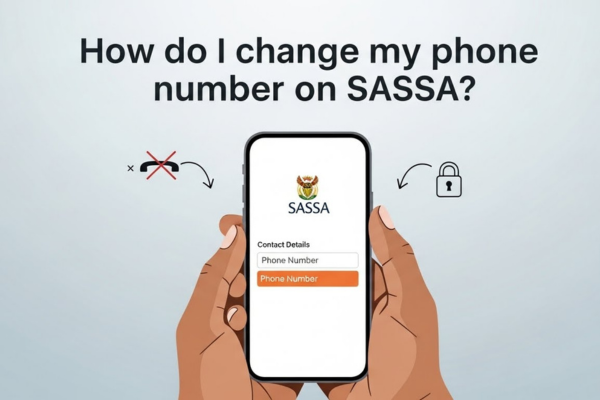
In some cases, a beneficiary may not receive an SMS notification even though the payment has been approved and processed. This situation can occur due to outdated contact details, network issues, or blocked communication channels.
If the portal shows an “Approved” status but no SMS has been received, action should be taken immediately. Waiting for a notification that may never arrive increases the risk of missing the 90-day collection window.
Regularly checking the portal and ensuring that contact information is accurate can help prevent this issue.
Why Timely Action Matters
Missed collection dates are usually manageable, but delays increase the risk of complications. Payments remain accessible only within defined timeframes, and the system does not automatically extend deadlines.
By checking status updates, monitoring voucher validity, and collecting funds during open periods, beneficiaries can reduce the risk of losing payments due to expiration.