Is SASSA enough to live on?
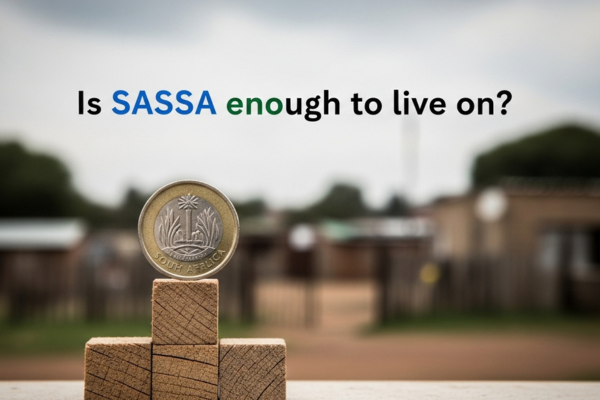
For most recipients, the SRD grant is not intended to function as a full income.
It is a form of temporary support designed to provide basic relief, not long-term financial independence. While it plays an important role in preventing immediate hardship, it is limited in scope and value.
As prices for essential goods such as food, electricity, and transport continue to rise, the purchasing power of a fixed grant amount steadily decreases. This is a structural reality driven by inflation, not a personal failure or mismanagement. Over time, the same amount buys less, even when spending habits remain unchanged.
As a result, many recipients experience ongoing pressure to make difficult trade-offs. The grant may help cover part of basic needs, but it rarely covers all of them.
Why the Numbers Often Do Not Add Up
When compared to the average cost of a basic food basket and essential services, the gap becomes clear. In many cases, the grant may cover only a fraction of minimum monthly needs for an individual or household.
This gap creates a zone of constant decision-making, where individuals must prioritize one essential expense over another. Common choices include:
- food versus electricity
- transport versus household supplies
- short-term needs versus saving for emergencies
This situation is not caused by poor planning alone. It is the result of a mismatch between fixed support and variable living costs.
Understanding this gap is important because it reframes the role of the grant. Rather than viewing it as a solution, it is more accurate to see it as a base level of support that must be combined with careful strategy.
Practical Strategies to Reduce Pressure
Since the grant alone is usually insufficient, small but deliberate strategies can help reduce strain and extend its usefulness.
1. Cooperative Purchasing
Buying essential items in larger quantities often reduces the cost per unit. Some recipients reduce expenses by coordinating purchases with trusted family members or neighbors. Pooling funds to buy staple goods in bulk can lower overall spending and increase predictability.
This approach works best when there is clear agreement, transparency, and trust among participants.
2. Avoiding High-Interest Short-Term Debt
When funds run low, high-interest informal loans can appear to offer quick relief. However, these arrangements often result in long-term financial harm. Handing over bank cards or access details as collateral can lead to loss of control over future payments.
Avoiding these forms of debt helps preserve both financial stability and personal autonomy. Short-term relief should not come at the cost of long-term dependency.
3. Small-Scale Income Within Eligibility Limits
Because the grant is means-tested, limited additional income may still be allowed within defined thresholds. Some recipients use a small portion of their funds to support low-cost income activities, such as reselling small items or providing simple services.
The goal of these efforts is not immediate profit, but gradual reduction of reliance on assistance. Even modest income streams can improve flexibility and resilience over time.
The Psychological Impact of Living With Scarcity
Living on limited resources requires constant monitoring and decision-making. This can create mental fatigue and stress, especially when every expense must be justified. Tracking spending, planning ahead, and avoiding unnecessary risks become essential skills rather than optional habits.
Stability is often the underlying goal. While the grant helps maintain a basic level of security, long-term improvement usually requires additional planning, skill-building, or income diversification.
Reframing the Role of the Grant
The SRD grant is effective at preventing immediate crisis, but it is not designed to eliminate financial vulnerability. Viewing it as a foundation rather than an endpoint allows recipients to plan more realistically.
With informed decisions, careful budgeting, and gradual steps toward additional income, it can serve as a temporary support while longer-term options are explored. The next steps involve identifying sustainable ways to move beyond survival and toward greater financial control.