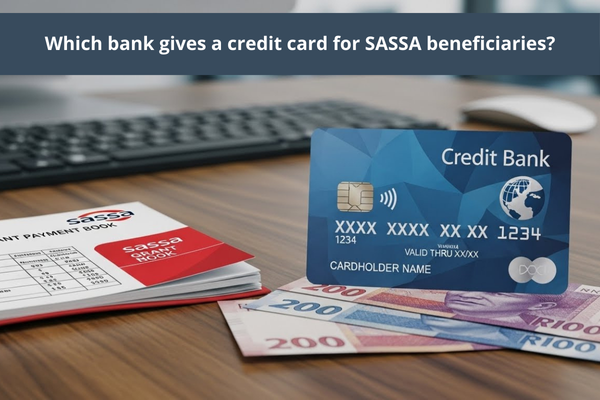
Which bank gives a credit card for SASSA beneficiaries?
Receiving a social grant can be a lifeline during challenging moments, helping you cover essentials and maintain stability.
But sometimes, you may consider applying for a credit card to build financial history or access emergency funds.
This raises a key question:
Can you get a credit card while receiving a social grant like a SASSA Grant?
The honest answer: It’s possible, but it depends on your overall financial profile and the bank’s criteria. There isn’t a specific credit card exclusively issued because of a grant, but there are banks where beneficiaries with bank accounts can apply and be assessed fairly.
This guide explains, step by step, what you need to know, which banks may approve credit cards, and how to approach the process safely and responsibly.
Step 1 — Understand What a Credit Card Is and How It Works
A credit card is a form of revolving credit provided by a bank. You are approved a credit limit, you can use it for purchases or cash transactions, and you repay the bank either in full by the due date (to avoid interest) or over time (with interest).
Credit cards are not granted automatically because of receiving a grant. Banks evaluate your overall financial profile, income, credit history, and ability to repay before approval.
Key points to understand:
- Credit cards are credit products — not gifts or entitlements.
- You must meet minimum eligibility criteria (e.g., age, ID, income proof).
- The bank conducts a creditworthiness assessment before approving a card.
Step 2 — Know That Grant Income Alone May Not Be Sufficient
Banks typically require:
- A minimum monthly income
- Proof of income through official payslips or bank statements
- A demonstrated credit history
Grant income alone (e.g., social support payments) is usually seen as stable but limited in value when applying for credit cards because banks want to ensure you can repay borrowed amounts on time.
That means:
Step 3 — Open a Bank Account Where Your Grant Is Paid
Before applying for a credit card, you must have a bank account with one of the major banks. Start here by ensuring your grant is paid into your account. According to csrd.co.za, the most common banks where grants are received include:
- TymeBank
- Capitec Bank
- Postbank (via the new Black Card setup)
- Standard Bank
- FNB (First National Bank)
Having a bank account with regular deposits of your grant can make it easier for the bank to assess your financial behavior, which is a positive factor when applying for credit products.
Step 4 — Learn Which Banks Offer Credit Cards and What They Require
Here are major banks that offer standard credit cards (which you can apply for if you meet their criteria):
Capitec Bank
Capitec offers personal credit cards with a personalised credit limit, cashback incentives, and free delivery of the card. Applicants typically need to be 18 years or older, have a bank account, and provide proof of income such as salary or regular incoming deposits.
Absa
Absa offers a range of credit cards with different benefits such as rewards and cash back programs. Applicants usually have to meet income and affordability criteria set by the bank.
Nedbank
Nedbank issues credit cards with varying service fees and benefits, such as interest-free purchase periods and rewards. Like other banks, they assess your income and credit history.
FNB (First National Bank)
FNB provides credit cards, including entry-level and rewards options, based on your financial profile. Approval depends on income and ability to make repayments.
Standard Bank
Offers personal credit cards with standard credit features, again requiring proof of income and affordability.
Discovery Bank
Provides digital banking services including credit cards, with eligibility based on income and credit assessment.
Step 5 — Understand the Credit Card Approval Criteria
For most credit cards you will need:
- Valid Identification Document
- Proof of Age (typically 18+)
- Bank account statements showing regular grant payments or other income
- Proof of regular income — either employment income or other reliable income streams
Banks assess credit risk using a combination of:
- Income level
- Credit history
- Existing debts
- Bank transaction behavior
A grant may be counted as part of your overall income for assessment, but additional income greatly helps your approval chances.
Step 6 — Compare Different Credit Cards Before Applying
Don’t apply blindly. The key differences among credit cards include:
- Interest rates
- Annual or monthly fees
- Cash back or rewards
- Welcome offers
- Credit limit
- Interest-free grace periods
For example:
- Capitec offers competitive benefits and incentives, including data and cashback options.
- Absa’s cards may provide travel or rewards features.
- Nedbank offers flexible reward and benefit structures depending on the chosen card.
Step 7 — Apply Through Your Bank Branch or Online
Once you’ve:
- Chosen a bank
- Ensured your bank account is active
- Prepared documents (ID, bank statements, proof of income)
You can apply for a credit card either:
- Directly at a bank branch
- Through the bank’s mobile app
- On the bank’s official website
Follow the bank’s application process, provide accurate documents, and respond to any follow-up requests promptly.
Step 8 — Use Credit Responsibly
Approval is only the first step. Credit cards are powerful tools, but if misused, they can lead to debt stress.
To use your credit card wisely:
- Pay the full balance by the due date if possible (to avoid interest)
- Keep your credit utilization low
- Avoid cash advances unless absolutely necessary
- Monitor your monthly statements carefully
Marrying credit with careful budgeting helps you build a strong financial history and protects your stability.
Step 9 — If You Are Declined, Ask Why
If your application is declined, the bank must provide a reason. Common reasons include:
- Insufficient income
- Poor or no credit history
- Incomplete documentation
You can then:
- Ask for tips to strengthen your application
- Build credit through smaller products first (like a debit account or store card)
- Reapply once your profile improves
Conclusion — Grants Help, But Credit Cards Require Full Financial Evaluation
There is no specific bank that automatically gives a credit card just because someone receives a grant. However, if you have a stable banking relationship and meet the minimum criteria such as age, valid ID, acceptable income level, and a positive banking history, you can apply for a credit card with major banks like Capitec, Absa, Nedbank, FNB, Standard Bank, and Discovery Bank. Approval will always depend on whether your personal financial situation meets the bank’s requirements.
This approach ensures you make informed, safe, and responsible choices with credit — building financial resilience even while receiving support income.