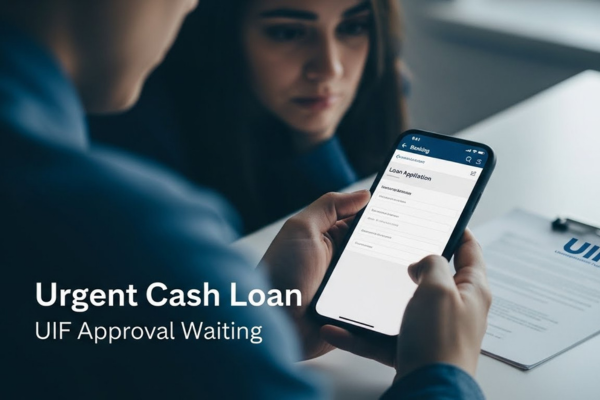
How can I get an urgent cash loan while waiting for my UIF approval?
Being between jobs is challenging. Your bills are due, the fridge is empty, and every day without income puts pressure on your household budget.
While you may have confirmed your UIF credits and performed a status check online, the reality is that the liquidity gap—the period between unemployment and payment—can be critical.
Although taking on debt should always be approached with caution, an urgent bridging loan can sometimes be the only practical solution to cover essentials until the UIF releases your funds.
The key is knowing which options are safe, legal, and cost-effective.
📌 Options for Immediate Financial Relief
Your options differ from those of full-time employees, since you are relying on a future payout rather than regular salary. The most reliable short-term solutions include:
1. Major Banks – Temporary or Express Loans
If you already have an account with a major bank, you may qualify for pre-approved short-term credit based on your recent income history.
- FNB Temporary Loan: Available via the App or 120321#, this provides instant cash repaid automatically within 31 days.
- Absa Express Loan: Offers small amounts ranging from R1,500 – R8,000, with flexible repayment terms of up to six months.
- Standard Bank Term Loan: Provides fixed monthly repayments and can be applied for through their banking app.
2. Specialized Bridging Finance Providers
Some institutions specifically cater to individuals awaiting lump-sum payments such as retrenchment packages or pension withdrawals.
- Marlin Credit Services: Offers bridging finance for payouts of R20,000 or more, designed to cover essential expenses until the funds arrive.
3. Reputable Micro-Lenders
For smaller urgent amounts, NCR-registered micro-lenders provide fast approvals, often within 24 hours.
- Atlas Finance: Over 280 branches nationwide; online applications allow same-day cash.
- Future Finance: Specializes in instant cash loans with simple online applications.
- Finance 27 (via Sanlam): Offers express loans for emergencies and immediate needs.
4. Credit Life Insurance – The “Hidden” Option
Before borrowing, review your existing credit agreements (bank loans, store cards, car finance). Many include Credit Life Insurance, which may cover your installments for up to 12 months if you are retrenched.
- Capitec and Other Banks: In some cases, this coverage can replace the need for a bridging loan entirely, reducing financial stress while waiting for your UIF payout.
🛠 The 3-Step Strategy for Safe Borrowing
If you must take a loan, follow these steps to protect yourself:
- Verify NCR Registration: Only borrow from lenders registered with the National Credit Regulator (NCR). If they lack an NCR number, do not proceed.
- Calculate Total Interest: Short-term loans often carry high rates. Ensure repayments do not exceed 20% of your expected UIF payout to avoid compromising your long-term financial stability.
- Disclose Your UIF Status: Being transparent about your pending claim can help some lenders view it as guaranteed future income, increasing your chances of approval.
Remember: A loan is a bridge, not a permanent solution.
⚠️ Avoid Illegal or Unregistered Lenders
Under no circumstances should you borrow from street lenders or “Mashonisas.” These unregistered lenders often require your ID book or bank card as collateral, which is illegal and can trap you in unmanageable debt. Even your full UIF payout may not be enough to escape this cycle.
Conclusion
Short-term financial pressure is one of the most difficult aspects of unemployment.
By understanding the safe options for bridging finance—major banks, specialized lenders, micro-lenders, and existing credit life insurance—you can maintain stability without risking your financial future.
Always prioritize legal, NCR-registered lenders, calculate repayment carefully, and treat loans as temporary solutions until your UIF benefits arrive.
With careful planning and informed choices, you can navigate the liquidity gap safely and protect both your household and your long-term financial security.