How to Get a Loan While Receiving a SASSA Grant?
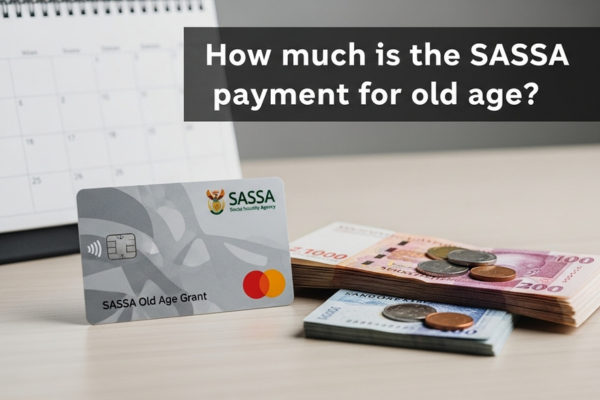
Receiving a SASSA Grant provides stability, dignity, and support during challenging moments. It ensures access to basic needs and helps maintain financial balance.
However, unexpected expenses can arise at any time, creating an urgent need for additional funds.
This leads to an important question:
Is it possible to get a loan while receiving a SASSA Grant?
The answer is yes — but only if the process is done correctly, legally, and with full awareness of the risks and protections involved.
This guide explains everything you need to know, step by step, so you can make an informed and safe decision.
Step 1 — Understand What SASSA Does and Does Not Do
It is essential to begin with a clear understanding:
SASSA does not provide loans.
Its sole function is to distribute social grants to eligible beneficiaries.
Any offer claiming to be a “SASSA loan” is either misleading, illegal, or fraudulent.
Your grant cannot be converted into a loan product by SASSA itself.
Understanding this distinction protects you from scams and financial exploitation.
Step 2 — Who Offers Loans to SASSA Grant Recipients?
Although SASSA does not lend money, registered banks and licensed financial institutions may offer loans to individuals who receive a SASSA Grant.
In these cases, the grant may be assessed as a stable source of income.
Banks That May Consider Grant Income
The following registered banks may offer personal loans or grant-related advances, subject to affordability checks:
- TymeBank
Offers GrantAdvance, allowing eligible grant recipients to access a small advance before their next payment. - Capitec Bank
- Standard Bank
- Absa Bank
- FNB (First National Bank)
Approval is never automatic and depends on individual financial circumstances.
Registered Micro-Lenders and Financial Providers
Licensed credit providers that may offer loans to grant recipients include:
All legitimate lenders must comply with consumer credit laws and affordability regulations.
Step 3 — Basic Eligibility Requirements
Most lenders require the following:
- Valid identification
- An active bank account in your own name
- Proof of consistent grant payments
- An affordability assessment confirming you can repay the loan without financial hardship
If a lender approves a loan without checking your affordability, this is a strong warning sign.
Step 4 — Know Your Legal Protections
Your Grant Cannot Be Used as Collateral
A lender is not allowed to:
- Take or keep your SASSA card
- Ask for your bank card or PIN
- Force you to redirect your grant into their account
Any lender attempting this is operating illegally.
Limits on Deductions
If a loan is repaid through deductions:
- Only one deduction may apply
- The deduction amount is legally limited
- Your grant must still cover essential living needs
These protections exist to ensure your survival income remains intact.
Step 5 — Confirm the Lender Is Registered
Before signing any agreement:
- Ask for the lender’s NCR registration number
- Confirm they are a licensed credit provider
- Read the loan contract carefully
Avoid lenders who operate through informal channels, unsolicited messages, or requests for upfront fees.
Step 6 — Common Loan Scams to Avoid
Be cautious of:
- Guaranteed approval promises
- Requests for advance payments or insurance fees
- Requests for your card details, PIN, or OTP
- Claims that the loan is issued by SASSA
A legitimate lender will never ask for sensitive information before approval.
Step 7 — Compare Interest Rates and Total Loan Cost
Loans with the same amount can have very different repayment totals.
Before accepting a loan, always check:
- The interest rate
- The total amount you will repay
- Any additional fees or penalties
- Whether early repayment is allowed
Choosing carefully can save significant money over time.
Step 8 — Review Your Budget Before Borrowing
Before committing to a loan:
- List your grant income
- List essential expenses such as food, housing, transport, and medication
- Calculate what remains after expenses
If loan repayments reduce your ability to meet basic needs, reconsider the decision.
A loan should provide relief, not long-term stress.
Step 9 — If You Are Already Struggling With Debt
If repayments feel unmanageable:
- Contact the lender immediately
- Ask about restructuring or revised payment terms
- Consult a registered debt counselor
- Avoid taking new loans to repay existing ones
Early action prevents deeper financial difficulty.
Conclusion — Make Informed and Responsible Choices
It is possible to get a loan while receiving a SASSA Grant, but only when:
- The lender is registered and legal
- The loan terms are transparent
- Your essential needs remain protected
- You fully understand the cost and commitment
Your grant exists to protect your stability and dignity.
Any borrowing decision should respect that purpose.