What are the steps of the appeal process in SASSA?
Navigating the administrative structure of a social assistance system requires a clear understanding of your legal rights and the technical procedures involved.
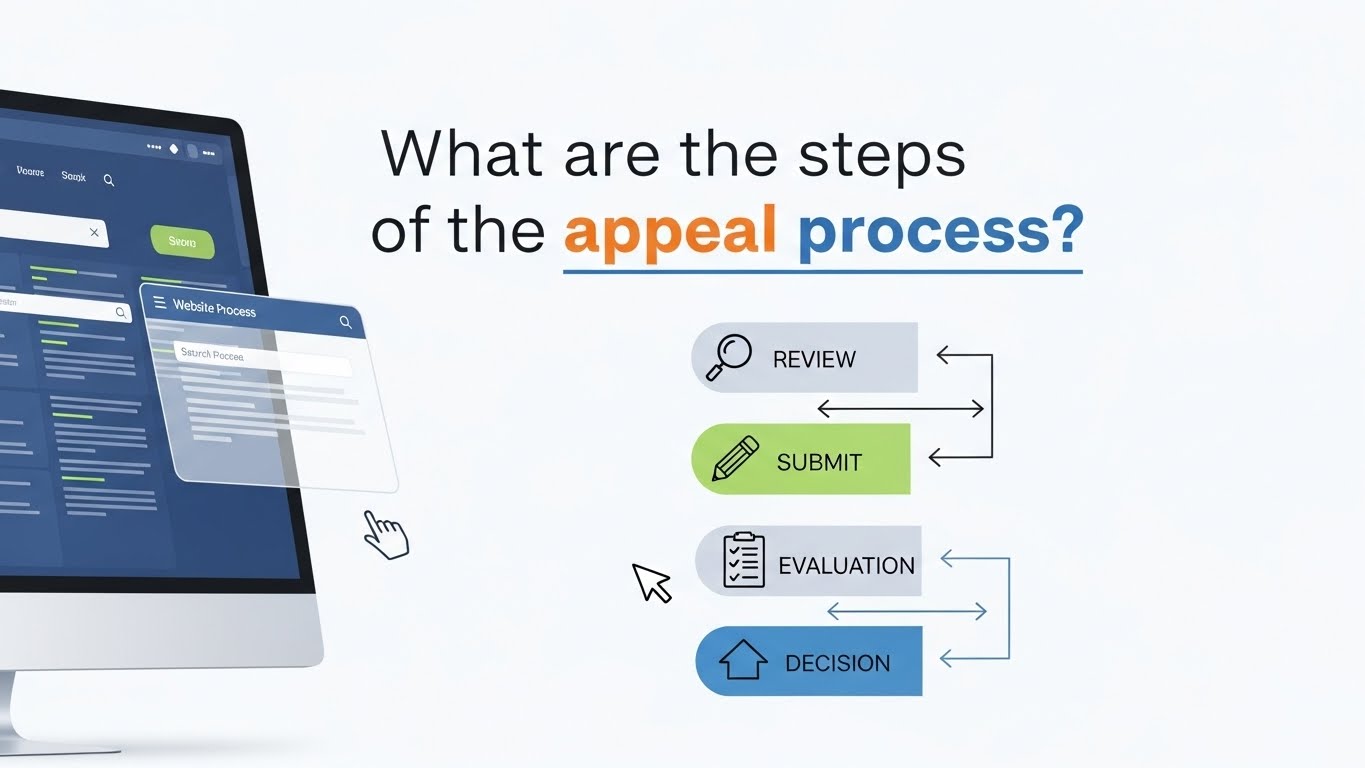
The Appeal Process is a formal mechanism designed to ensure that every application is evaluated fairly. Rather than a simple re-submission, an appeal is a legal request for an independent review by a secondary authority.
The success of an appeal depends on the data integrity of your file and how well it aligns with the eligibility criteria. By understanding the factors that influence the chances of approval and preparing the necessary Documentary Evidence, you can ensure the highest probability of a positive outcome.
Phase 1: The Independent Review Mechanism
When you submit an appeal, the case is transferred to the Independent Tribunal for Social Assistance Appeals (ITSAA). This is a crucial distinction: the review is conducted by a body separate from the primary agency. This independence is what ensures a high level of Trustworthiness and Authoritativeness in the final decision.
The Tribunal’s role is to act as a “check and balance,” verifying that the automated systems used during the initial assessment did not overlook critical information. Understanding this hierarchy allows you to approach the process with the confidence that your case is being reviewed through a fresh, objective lens.
Phase 2: Essential Documentation for a Successful Appeal
To maximize your Experience and Expertise during the process, you must have specific documents prepared. Although the portal is digital, the Tribunal may request copies of these documents to resolve discrepancies between your claim and the automated database results.
Core Documents to Have Ready:
- National Identity Document: A clear, original copy of your 13-digit ID (Smart Card or Green Barcoded book).
- Proof of Unemployment: If the system incorrectly identifies you as employed, a letter of retrenchment or an affidavit confirming your current unemployment status is vital.
- Bank Statements (Last 3 Months): These serve as the primary evidence to disprove “Alternative Income” flags. The Tribunal looks for any transaction exceeding the R624 threshold.
- UIF/NSFAS Status Letter: If your appeal relates to a conflict with other government funds, a formal letter from those departments stating you are no longer a beneficiary is the strongest evidence you can provide.
Phase 3: Factors Influencing Approval Probability
The probability of an appeal being approved is based on a “Success Matrix” that the Tribunal uses to evaluate the validity of your claim.
High Probability of Approval:
- Data Synchronization Errors: If you are currently unemployed but the system incorrectly flags you as employed due to outdated records.
- Administrative Glitches: If your identity was not verified because of a minor typo in the registry that has since been corrected.
- Threshold Miscalculations: If your bank account received a one-time payment that the system incorrectly identified as recurring “alternative income.”
Phase 4: Statutory Prerequisites and Submission
To maintain a high chance of a successful review, you must adhere to the administrative requirements.
Step 1: Access the Dedicated Appeals Portal
Navigate directly to the official Independent Tribunal for Social Assistance Appeals (ITSAA) portal.
Step 2: Security Authentication
Enter your ID number and the mobile phone number associated with your application to receive an OTP via SMS.
Step 3: Selection and Justification
Select the months you wish to appeal. For each selection, use your Documentary Evidence to provide an accurate justification (e.g., “Bank statements prove income is below the R624 limit”).
Phase 5: The Timeline for Final Verdicts
The Tribunal conducts a thorough audit, which includes cross-referencing your documentation with revenue services and other government databases.
- Initial Processing: 7 to 14 days for the appeal to be indexed.
- Database Audit: 30 to 60 days for inter-departmental verification.
- Final Decision: Typically delivered within 60 to 90 days from the date of submission.
If the appeal is approved, your status will update to “Approved” for those specific months, and the payment system will automatically schedule your disbursement in the next available batch.
Conclusion: Empowering Your Application Through Knowledge
The appeals framework is a powerful tool for ensuring administrative fairness. By understanding the factors that drive approval chances—from document preparation to statutory timelines—you can navigate the system with authority. An appeal is your opportunity to provide a clear, technical correction to an automated process, moving you one step closer to the support you are eligible for.